

.png)


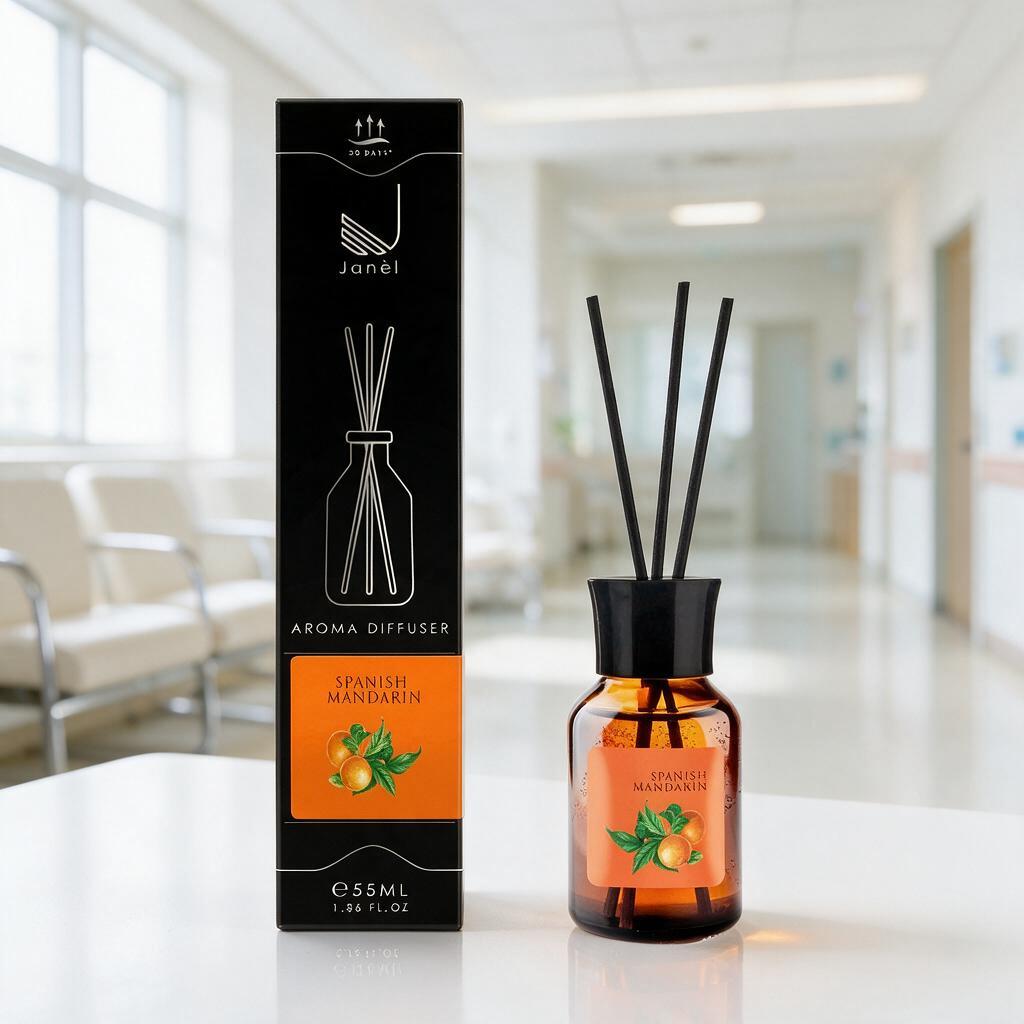


Scent is much more than just a pleasant fragrance in a room. It has the power to influence our emotions, trigger memories, and shape the way we perceive a space. That is why modern healthcare facilities are paying increasing attention not only to cleanliness and functionality, but also to creating a more welcoming environment through the thoughtful use of scents in hospitals.
1. Scents in Healthcare: How Fragrances Influence Human Emotions
The scientific field that explores how scents affect human behavior, emotions, and physiological responses is known as aromachology. Unlike traditional aromatherapy, aromachology focuses on the relationship between fragrance molecules and brain activity, examining how specific scents can promote relaxation, ease emotional tension, or create a greater sense of comfort and security.
How do scents affect people?
Depending on their characteristics, fragrances can generally be divided into several categories:
- Relaxing scents – lavender, vanilla, and soft woody notes. These fragrances are commonly used to create a calming environment and help reduce emotional stress.
- Refreshing scents – citrus, mint, and green notes. They make a space feel lighter, fresher, and more pleasant to spend time in.
- Soothing fragrance blends – combinations of floral and warm notes that promote a sense of comfort, balance, and harmony.
Hospital environments are gradually evolving. Instead of focusing solely on a clinical, sterile atmosphere, healthcare facilities are increasingly recognizing the importance of creating spaces where people feel more at ease. Aroma diffusers have become one of the ways to introduce a greater sense of calm, warmth, and comfort into these environments.
2. Aroma Diffusers in Hospitals: Benefits and Real-World Applications of Fragrance in Healthcare
The use of aroma diffusers in hospitals is becoming an increasingly popular way to enhance how patients, visitors, and healthcare professionals experience medical environments.
Where are aroma diffusers used in healthcare facilities?
- Waiting areas – helping create a more welcoming environment and easing tension while patients wait for their appointments.
- Rehabilitation centers – supporting a calming atmosphere that encourages rest and recovery.
- Private clinics and consulting rooms – creating a positive first impression while making the space feel more inviting and comfortable.
Interesting fact: Some healthcare facilities around the world already use specially designed fragrance blends tailored to different areas of the building. For example, waiting rooms often feature soft, calming scents, while rehabilitation spaces may use fragrances that promote relaxation and a more positive emotional state.
Why do scents we barely notice have such a powerful effect on the way we feel? The answer lies in how the brain processes fragrance. Certain aromas can trigger emotions, influence mood, and even change the way we perceive the space around us.
Benefits of a Fragrance-Enhanced Hospital Environment:
- creating a warmer and more welcoming atmosphere;
- reducing the clinical feel often associated with healthcare settings;
- improving the emotional perception of the environment;
- encouraging positive associations for patients.
Choosing the right fragrance for a healthcare setting is especially important. Light, subtle compositions featuring notes of lavender, citrus, green accords, or soft woody tones are typically preferred, as they create a pleasant ambiance without overwhelming the space.
One excellent option for creating a fresh and inviting atmosphere is the Janel Spanish Mandarin 55 ml Aroma Diffuser. Its bright citrus fragrance, highlighted by vibrant mandarin notes, fills the room with a light, sunny scent that feels refreshing rather than overpowering. This diffuser is particularly well suited for waiting areas, reception spaces, and consultation rooms, where making a positive first impression and helping visitors feel more at ease is essential.
3. The Future of Aromatherapy in Healthcare: Personalized Scents and New Possibilities
Advances in aromachology and fragrance technology are opening up exciting new opportunities for healthcare environments. In the future, scents are likely to become more personalized and tailored to specific needs. Rather than relying on a single fragrance throughout an entire facility, healthcare providers may introduce customized scent solutions designed for different rooms, spaces, and intended outcomes.
What does the future of aromatherapy look like?
- Personalized fragrance solutions. Scents will be selected based on the function of each space and the emotional needs of the people using it.
- Smart scent diffusion systems. Emerging technologies will make it possible to control fragrance intensity, scheduling, and distribution, adapting scents to specific areas within a healthcare facility.
- The combination of science and design. Fragrance will become part of a holistic approach to healthcare design, where patient perception and emotional well-being are considered just as important as functionality.
Looking ahead, sensory technologies may also play a significant role by analyzing how people respond to different fragrance compositions and helping create more precise scent solutions for a variety of healthcare settings. For example, fragrance programs could automatically adapt to the type of room, the time of day, or the specific needs of patients in a particular area.
These innovations demonstrate that scents are gradually becoming more than just an additional feature of healthcare environments - they are emerging as an important element of patient-centered healthcare design. In the years ahead, fragrance technologies have the potential to help create next-generation medical facilities, where every detail is carefully designed to enhance the overall patient experience.